
A caring rant
I can't tell you how many times over the last 8 years of solo, ever-evolving caregiving, people have felt compelled to tell me, "You need help."
Hmmm, do I look that battleworn that I don't know that 'help' would be, well, quite helpful?
Unless people have walked the end-of-life journey with a loved one, they don't realize that, hello!, the person being cared for has a voice in their care (at least until their sense of agency is out of step with reality). Help is not always what they, or you, want, until clearly there is no other way forward.
Help also means giving up an element of privacy.
Now other people see the toaster crumbs in one drawer and the collection of weird stuff you don't know what to do with but surely need in another. You and your person's underwear in the laundry basket that you meant to cover with a towel but didn't, because there were 11 other things to do before 'they' got there, becomes a bright flag, announcing, "Look at us! No secrets now." A mold creature lost in the bowels of the 'fridge, private even to you, is outed when someone asks, "What's this?"
As I've moved deeper into life, I thought I didn't much care what anyone thought of me. And mostly, I don't—life is too short to carry the weight of others' judgements.
What I discovered, however, is how the presence of others in your home reflects what you think about you. Really, what is all of this? And why have you let it get this way? Ah, that inner judgy one.
Then, let's face it, help means you won't have things done the way you'd do it. Spoons returned to the right slot. Hide and seek with the cinnamon. Making sure, as a helper comes and goes, they don't emancipate your mostly indoor cats. Dealing with their availability that doesn't always align with what works best for you and your person. Of course, your loved one, who's missing out on so much of daily life now, surprisingly, will not miss the tiniest detail that's not done 'right,' and lucky you, you take the flack.
When I tried to explain this once to an acquaintance who kept pressing me to "get help," she said, "Well, you need to take whatever help you can get. Beggars can't be choosers."
Gee, my mind snapped, do you think one reason caregivers hesitate to ask for help is because we don't want to feel like beggars?
I certainly didn't tell her the other part. How getting help is another project, risk, and stressor on the caregiver—finding, interviewing, vetting, then planning what a helper will do each time they come so they can actually help.
Let's not forget, too, help costs money. Unless you have family and friends who will show up for you and your person when you need them in the way you need them—when and how matter—you'll be aiming for a paid, trustworthy stranger who understands what you need and grows into an ally.
I've gotten to the point that if one more person says some version of "get help," I may smack them, not in real life, but in my mind. I'm not remotely a violent or hurtful person, just human.
The mind is the last truly private and spectacularly creative space, full of possibilities, divergent paths, multiple universes, and the unfettered freedom to be snarky.
Closest I've come so far to mentally revolting was when one full-on feminist, at a small otherwise-friendly gathering, ambushed me with, "Your overwhelm and exhaustion are all on you for letting your guy control your life."
First, I thought, Yikes? What?!? 'My guy' is terminally ill, remember?
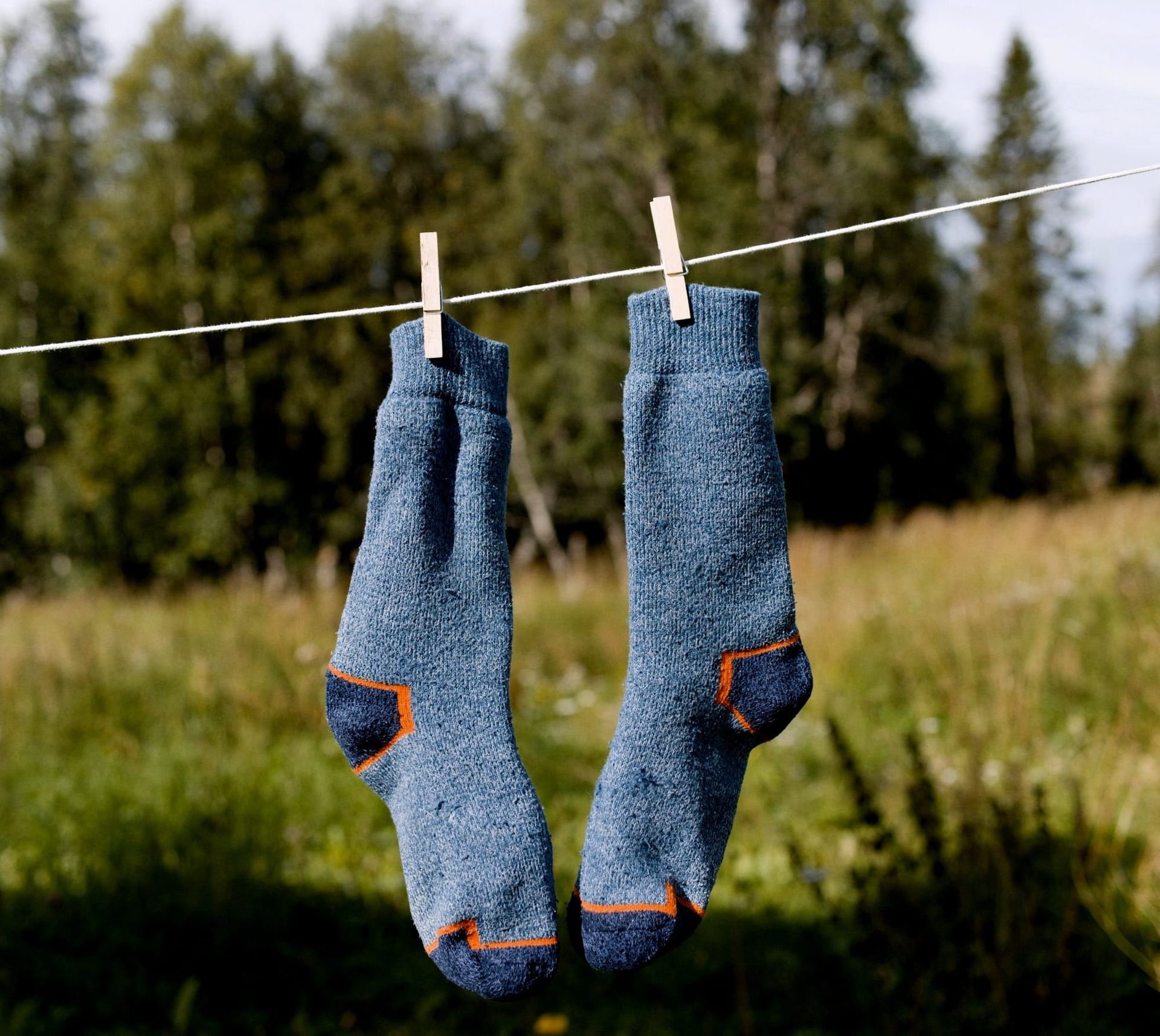
Second, I imagined a pair of my husband's balled-up, sky-blue, fleecy socks that I gingerly put on his feet each morning because those feet don't get enough blood and oxygen, making them pale, cold stones. In that moment, as this women who knew little of me and my life pontificated at me, I imagined taking that sock ball and putting it wholly into her mouth. Not to take her out, only to stop her voice.
My mind pleaded, Please make her stop.
My mouth said, "Isn't the ocean beautiful?"



Member discussion