Field Notes

Field Notes

Observations in the present moment

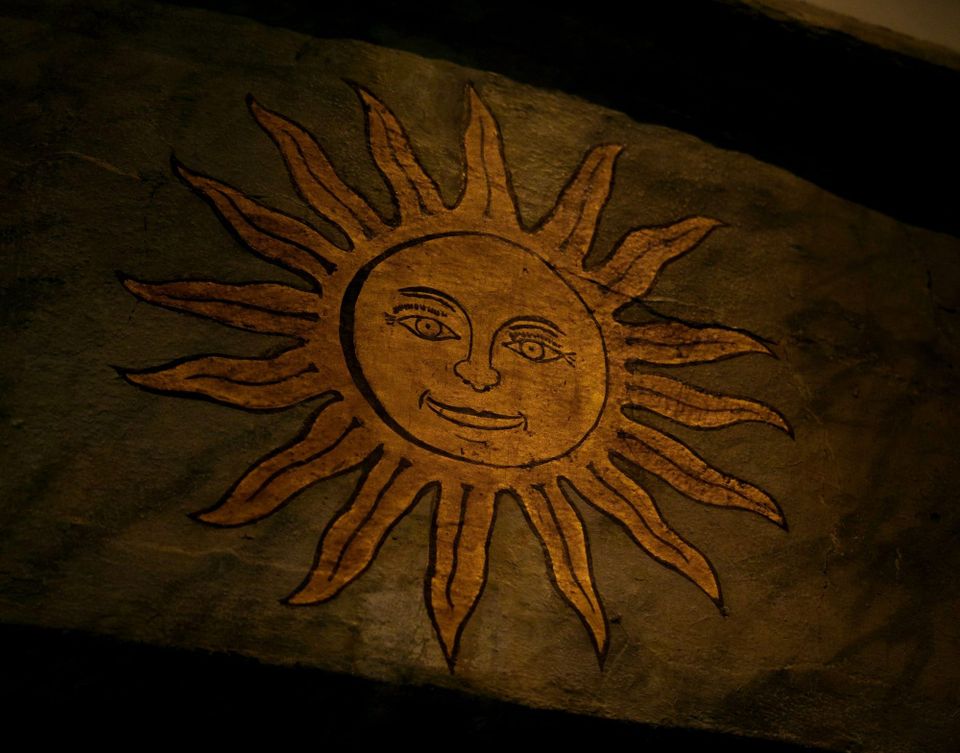
Summer solstice

Image of illustration of sun with smiling face painted on wood.

If on phone, turning it sideways (landscape) best displays poetic line breaks.

Let this day, beginning in grey light
lapping at your skin, move as if
a loved one, navigating out of darkness
for awhile, blinking and thirsty, wanting to live
one more turn of the earth, but only
if you are in that turning, too.

How will you hold what cannot be contained
in a simple body?

Light, like water, pours through your fingers.
Love, like sun, burns as much as heals.

You are bread. You are an ember’s
orange bead. Your job is not to grip this long
day of light, knowing tomorrow
will only mean less. No, what light seeps
through the flannel sky or later flames
blue, reaches for you.

The little caves of your eyes,
the red canals of your bones,
your hair pulled into the wind,
all know this.

Listen, sit here or look up from
whatever chore has stolen your attention.
Turn toward this light, which could be
sun or silvery cloud or soul-lit face,
so you can be found.

Two free hours

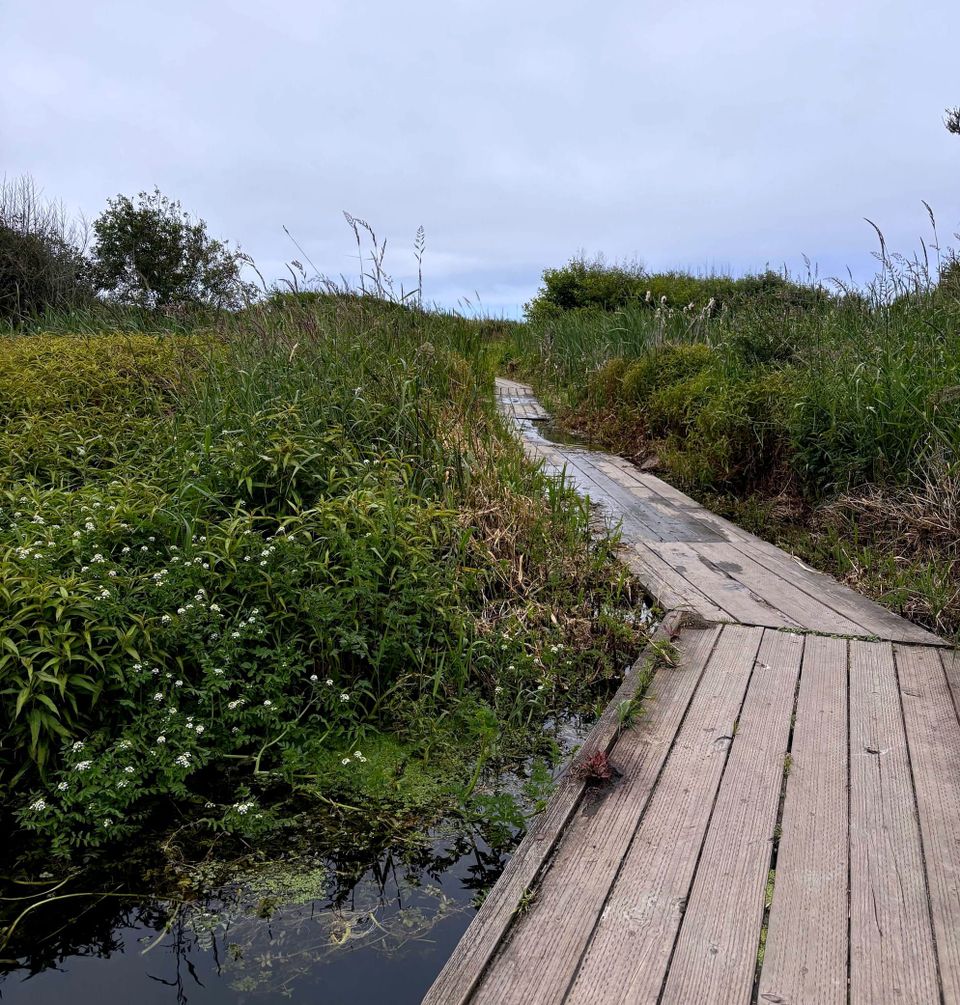
Photo of planks through beaver pond to beach and ocean.

There is a moment in a caregiver's journey when hiring help in the home is essential to well-being—physically, mentally, emotionally, and even spiritually. That time arrived for me.

As I wrote in an earlier Field Note: A caring rant, 'getting help' is never as simple or as straight a trajectory as people, who've never cared long-term for a beloved other, imagine. This is especially so when it comes to allowing someone to help with caregiving itself.

Those at end-of-life who've lost so much, including control, deserve to have their wishes honored as much as possible. I previously wrote, "Help is not always what they, or you, want, until clearly there is no other way forward."

Yes, some caregivers need help immediately—we're different individuals in diverse situations. The threshold for what any individual can bear is unique and critical to acknowledge.

There's also a subset of us who can soldier on mostly solo, surprisingly well and long. We just need the occasional person to help clean up the yard after a major storm has strewn tree debris everywhere or fixing the shed door after a bear has ripped it open. We're grateful for the neighbor who occasionally offers a little pot of soup or picks up tacos when they swing by the taco truck in town.

In recent weeks, despite my husband deeply resisting any help within our home, I knew he'd reached that place I previously defined, where his "sense of agency is out of step with reality." I also accepted that I was at that point of "no other way forward." Without some help, some respite to be away for awhile without the weight of responsibility and worry, I risked damaging my health and going a bit bonkers.

The benefits of working with a local hospice are many. One immense gift to me has been a certain kinetic and inventive social worker, K. She helped me put my specific, behind-closed-doors reality in perspective. Then she worked through a list of vetted, caring home support aides who might help several hours a week, and connected me with a perfect-fit, kind human being.

We began with two trial visits with D. coming into our home, while I hovered, writing (albeit distractedly), behind the cracked door of my study. She made my husband the breakfast of his choice as well as something edible for us to enjoy later, then cleaned up after it all (yay, some tending off of my plate).

I listened, without eavesdropping, to the voices of D. and my husband, a kind of soft, slow bubbling, as if a creek, flowing through the living room.

Most importantly, I was monitoring for what I needed most, and was happy and relieved to receive—a new caring presence in our home.

Then, a few days ago, I had my first respite adventure.

For two luscious, untethered hours, I walked a favorite beach.

Walked and walked and walked. That's it. Walked. Letting my animal body loose to play while my wild mind kicked back, calm for awhile.

My feet bare, with binoculars around my neck, I stepped through sand and whirling surf. Picked up a few sand dollars spit up from the Pacific. Smiled at a hopeful gull who kept turning over a crab carapace, pink and hollow, looking for a snack. Enjoyed one brief sit on a washed up log for tea, almonds, and cherries. Savored watching two ravens hovering back and forth on fierce thermals (their version of a moonwalk), their feathers billowing in a heady wind, as clouds gave way to open sky and sun.

Joy.

Resilience is always best fed with joy.

Lotus section divider

Notes from my walk

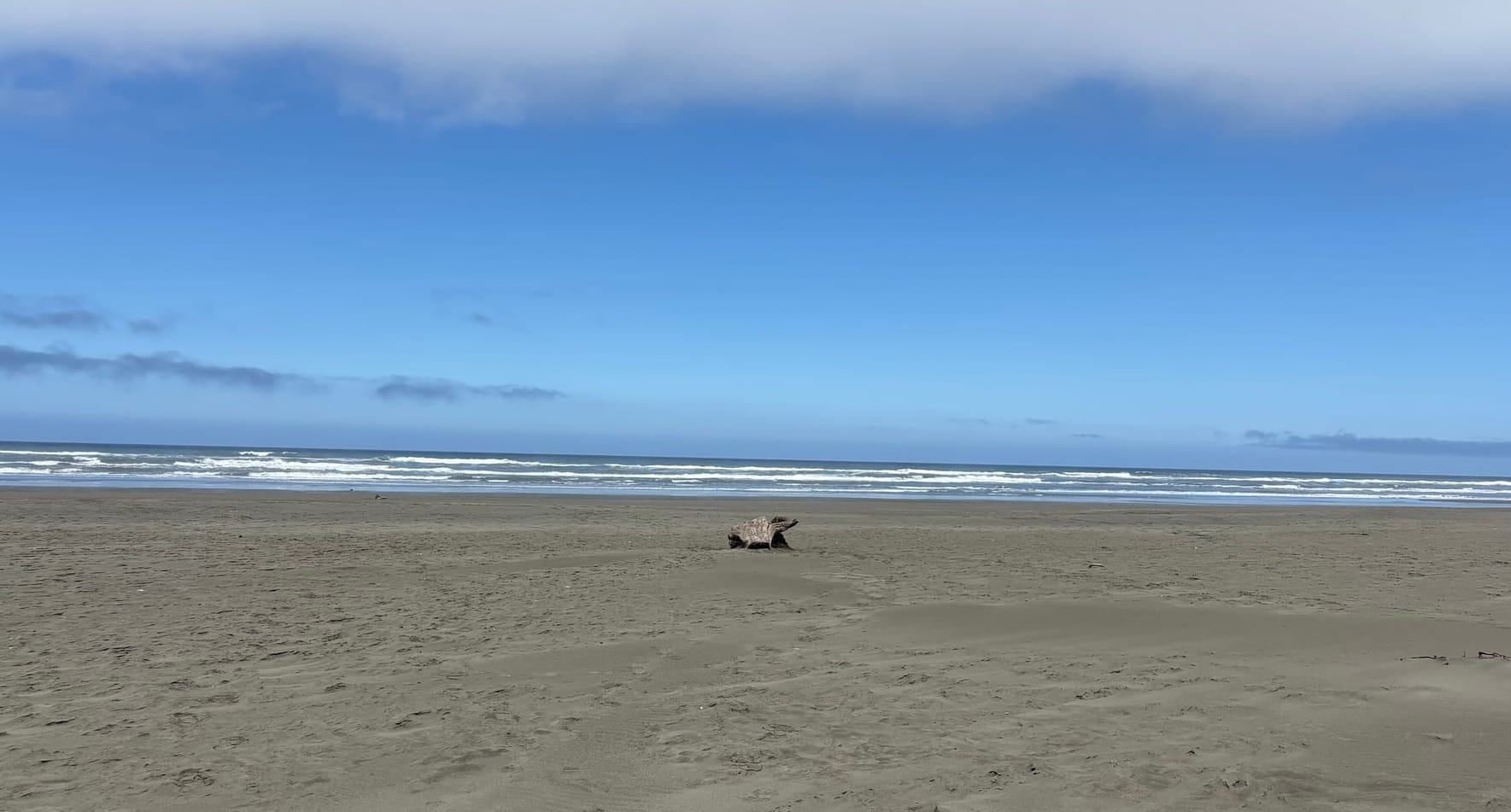
Photo of a piece of driftwood that looks like a large frog on the beach with ocean behind.

Ah, the rarely seen Pacific wood frog. Don’t look too closely or he’ll shapeshift into driftwood.


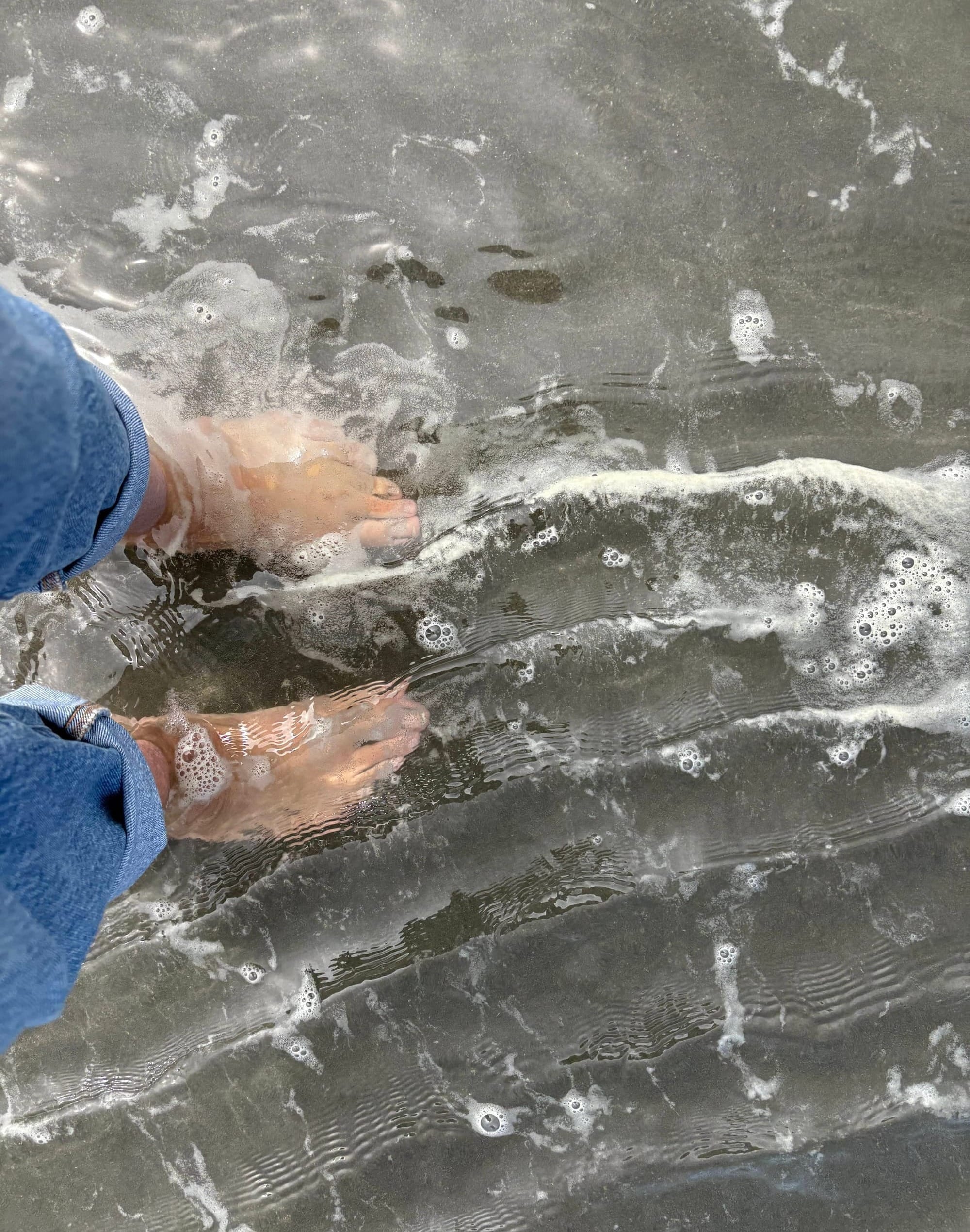
Photo of are feet, rolled up jeans, in the shallow ebb of Pacific surf.

Dry sand, warm. Wet sand, cool. Pacific, cold.
Such simple sensations I’ve missed.


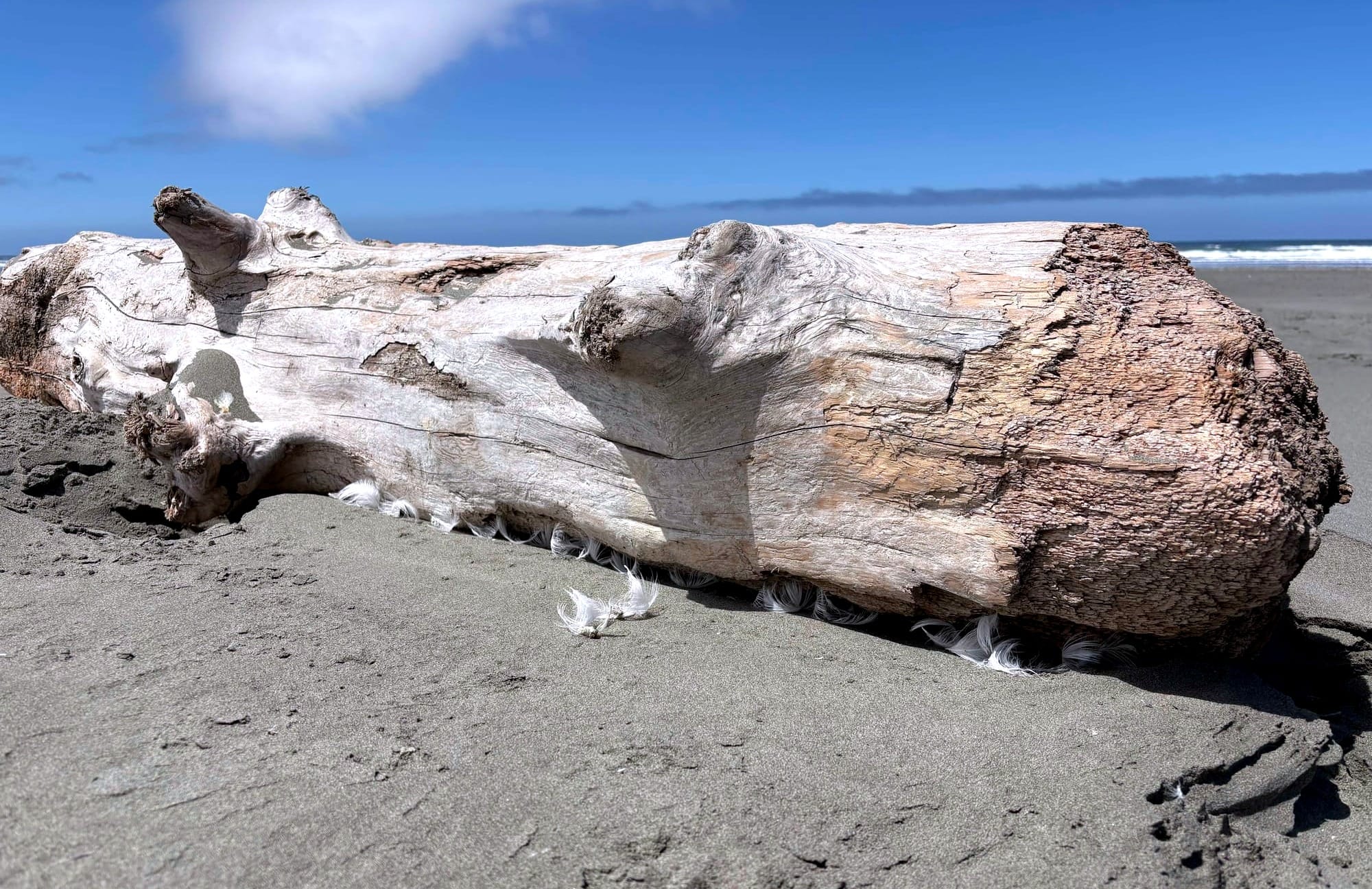
Washed up tree trunk on Clam Beach with white feathers.

Forget how a bill becomes law. I think I’m witnessing how a lost tree becomes a white bird, one feather at a time.

Nearby the Snowy Plovers are watching.


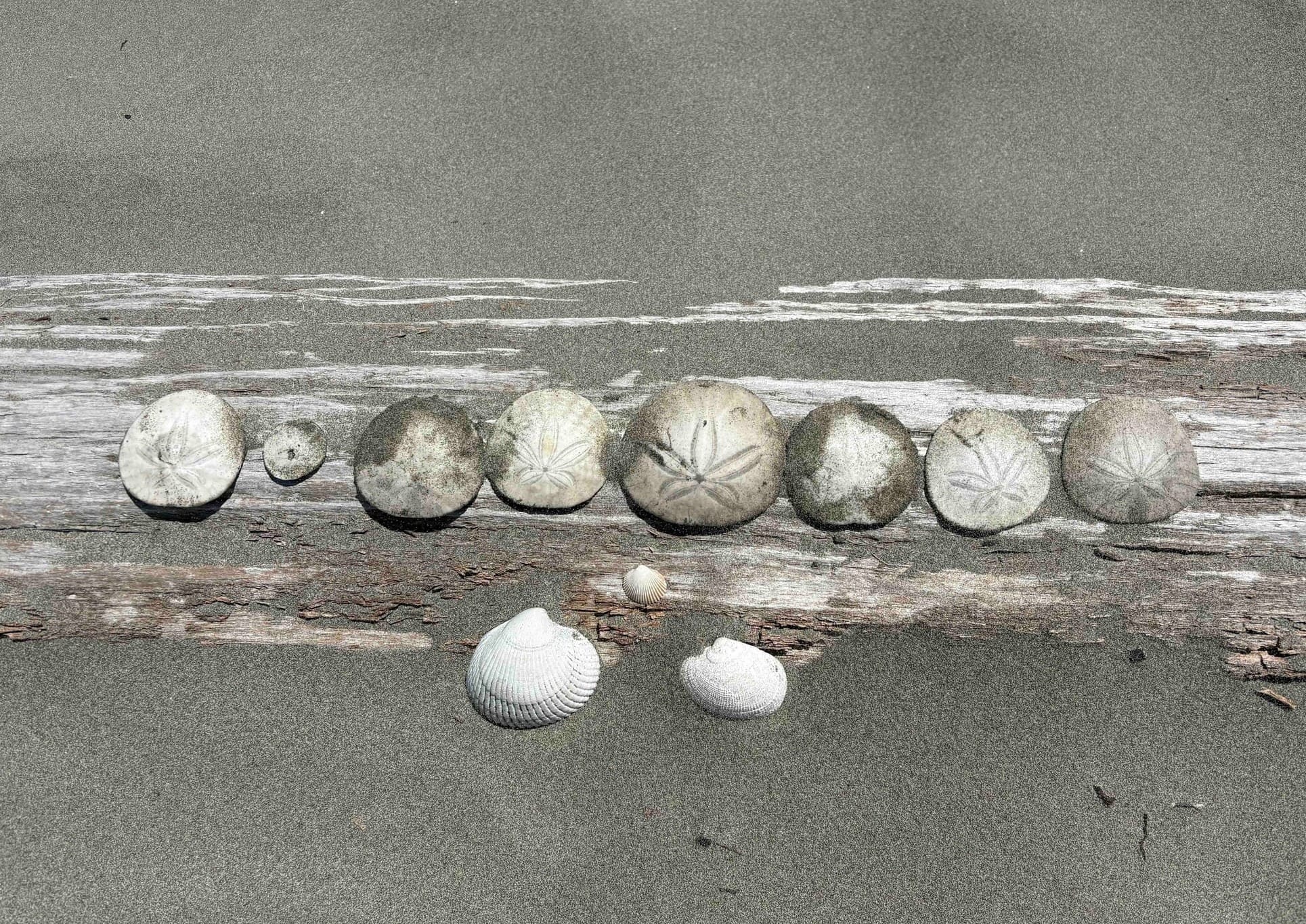
Photo of 8 Sand dollars and 3 shells on a sandy long on the beach.

Look! Not only a lovely walk—I found 8 dollars on the beach.


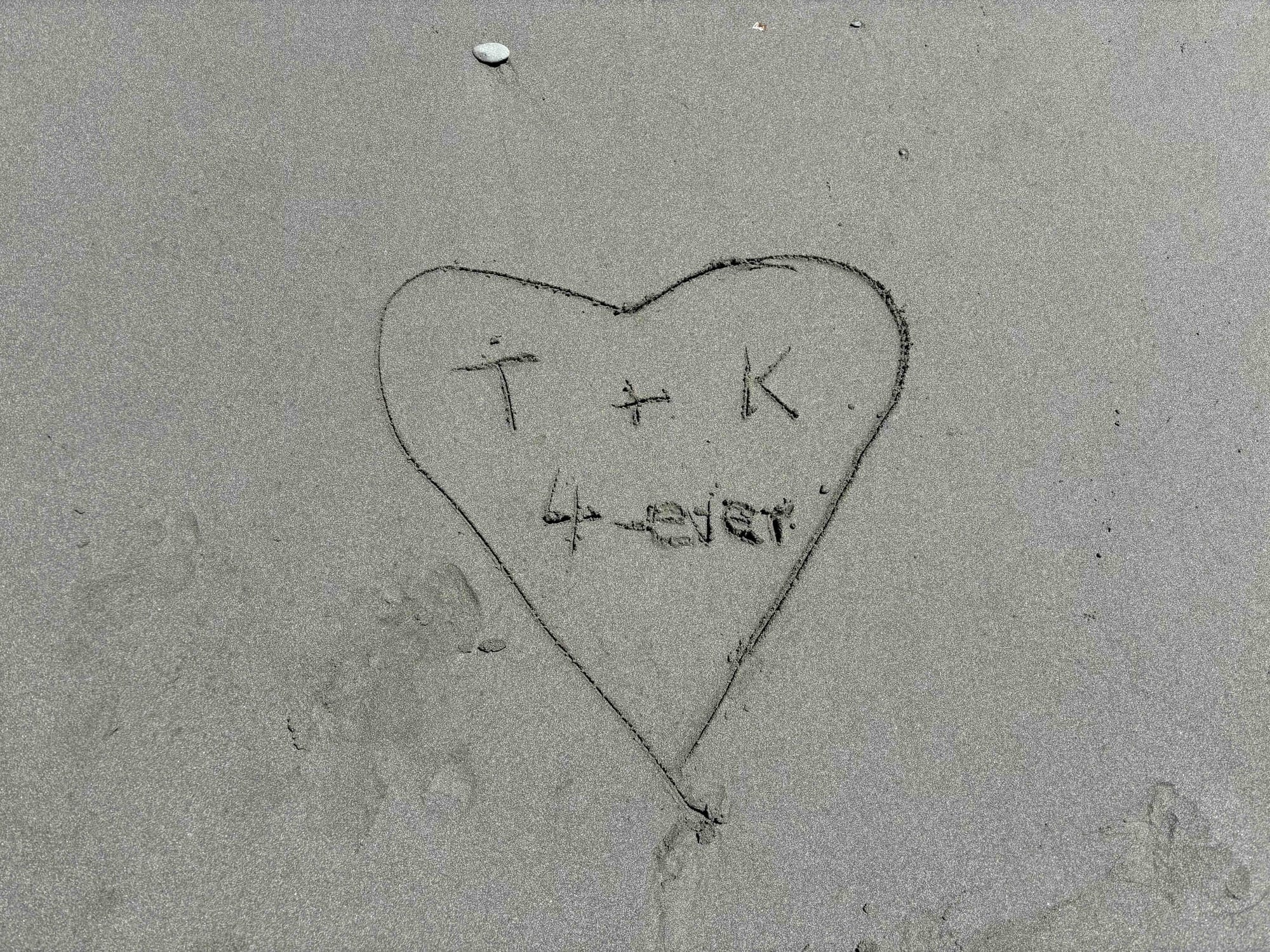
Photo of a heart with initials and 4-ever carved in beach sand.

Drawing a heart with initials in the crusty packed sand between wet surf’s edge and the sun-warmed powdery beach, I will text it to my husband.

Using a broken, purple mussel shell, I wonder, Who am I doing this for, him or me?

Then I remember how life is far less binary than we make it.

Then I remember how we’re teaching each other to believe that love never dies.


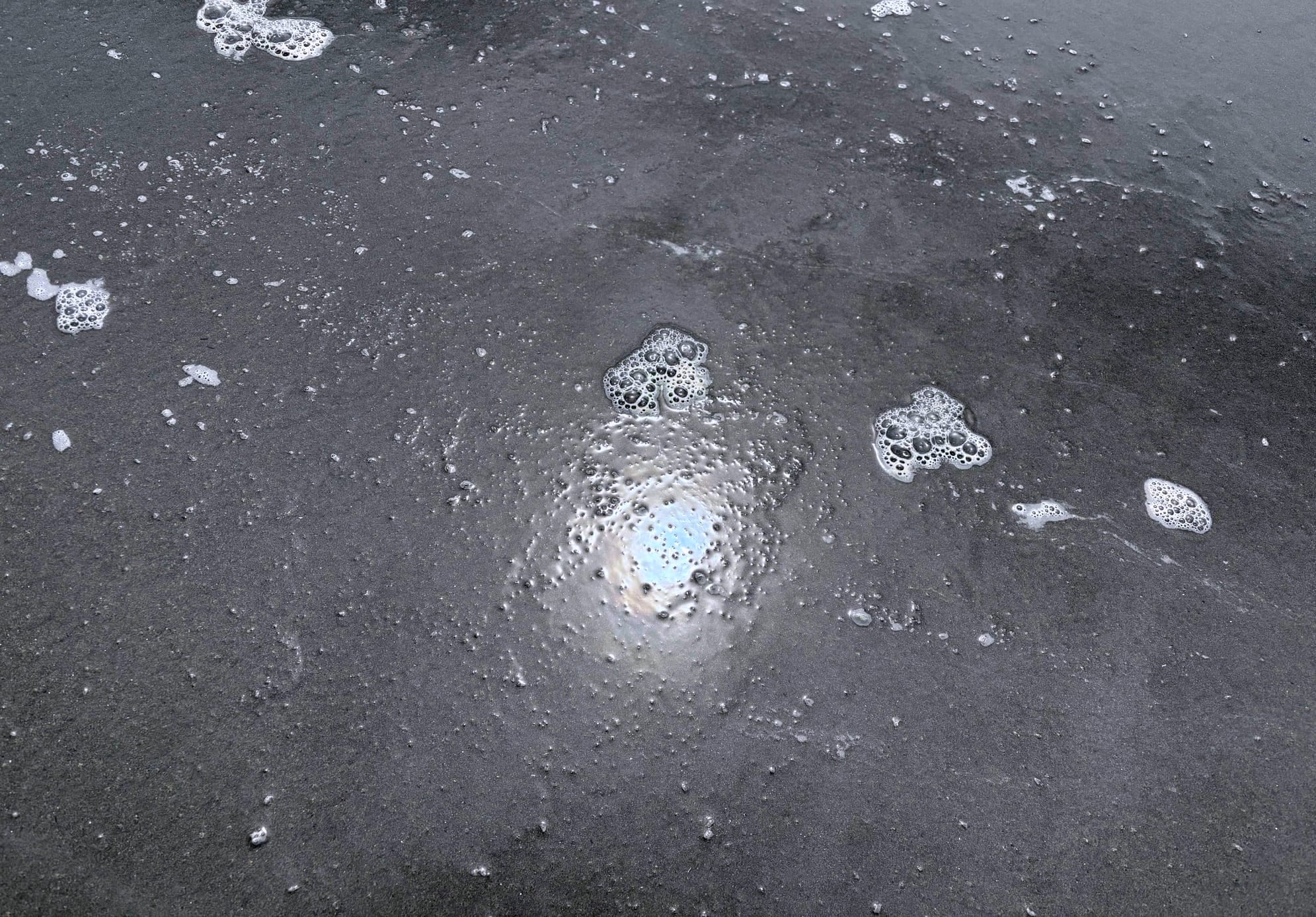
Photo of sun in wet sand, looking like a shiny, pale, bluish portal.

Is this the sun, burrowing into wet sand, or a secret portal? I’m pulled downward before my eyes think, No, upward.

If this is the light at the end of life, then truly only a shimmery, bluish mystery awaits.

Who knew death doesn’t mean end or darkness or fear, but simply a new dimension of curiosity? I’m in for that … just not yet, please.

A caring rant

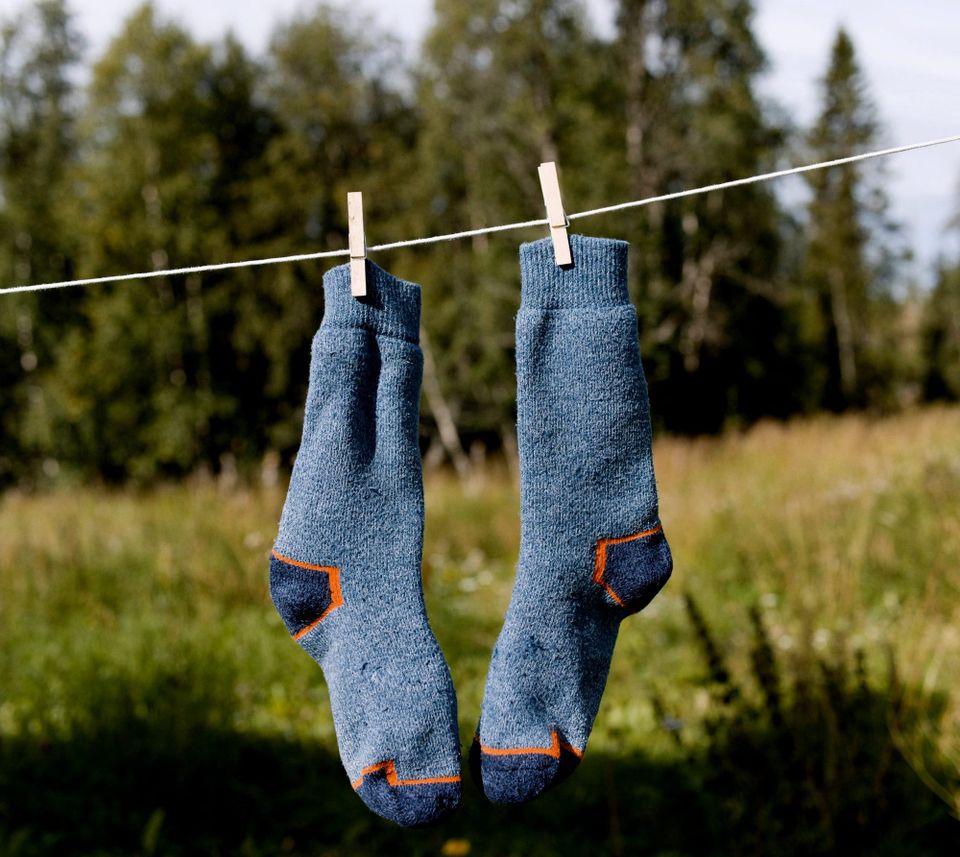
Photo of two, soft blue socks hanging on a clothesline with woods behind.

I can't tell you how many times over the last 8 years of solo, ever-evolving caregiving, people have felt compelled to tell me, "You need help."

Hmmm, do I look that battleworn that I don't know that 'help' would be, well, quite helpful?

Unless people have walked the end-of-life journey with a loved one, they don't realize that, hello!, the person being cared for has a voice in their care (at least until their sense of agency is out of step with reality). Help is not always what they, or you, want, until clearly there is no other way forward.

Help also means giving up an element of privacy.

Now other people see the toaster crumbs in one drawer and the collection of weird stuff you don't know what to do with but surely need in another. You and your person's underwear in the laundry basket that you meant to cover with a towel but didn't, because there were 11 other things to do before 'they' got there, becomes a bright flag, announcing, "Look at us! No secrets now." A mold creature lost in the bowels of the 'fridge, private even to you, is outed when someone asks, "What's this?"

As I've moved deeper into life, I thought I didn't much care what anyone thought of me. And mostly, I don't—life is too short to carry the weight of others' judgements.

What I discovered, however, is how the presence of others in your home reflects what you think about you. Really, what is all of this? And why have you let it get this way? Ah, that inner judgy one.

Then, let's face it, help means you won't have things done the way you'd do it. Spoons returned to the right slot. Hide and seek with the cinnamon. Making sure, as a helper comes and goes, they don't emancipate your mostly indoor cats. Dealing with their availability that doesn't always align with what works best for you and your person. Of course, your loved one, who's missing out on so much of daily life now, surprisingly, will not miss the tiniest detail that's not done 'right,' and lucky you, you take the flack.

When I tried to explain this once to an acquaintance who kept pressing me to "get help," she said, "Well, you need to take whatever help you can get. Beggars can't be choosers."

Gee, my mind snapped, do you think one reason caregivers hesitate to ask for help is because we don't want to feel like beggars?

I certainly didn't tell her the other part. How getting help is another project, risk, and stressor on the caregiver—finding, interviewing, vetting, then planning what a helper will do each time they come so they can actually help.

Let's not forget, too, help costs money. Unless you have family and friends who will show up for you and your person when you need them in the way you need them—when and how matter—you'll be aiming for a paid, trustworthy stranger who understands what you need and grows into an ally.

I've gotten to the point that if one more person says some version of "get help," I may smack them, not in real life, but in my mind. I'm not remotely a violent or hurtful person, just human.

The mind is the last truly private and spectacularly creative space, full of possibilities, divergent paths, multiple universes, and the unfettered freedom to be snarky.

Closest I've come so far to mentally revolting was when one full-on feminist, at a small otherwise-friendly gathering, ambushed me with, "Your overwhelm and exhaustion are all on you for letting your guy control your life."

First, I thought, Yikes? What?!? 'My guy' is terminally ill, remember?

Second, I imagined a pair of my husband's balled-up, sky-blue, fleecy socks that I gingerly put on his feet each morning because those feet don't get enough blood and oxygen, making them pale, cold stones. In that moment, as this women who knew little of me and my life pontificated at me, I imagined taking that sock ball and putting it wholly into her mouth. Not to take her out, only to stop her voice.

My mind pleaded, Please make her stop.

My mouth said, "Isn't the ocean beautiful?"

Homely, lovely

For some it is the light, but for me, the darkness that opens a pathway. I let it pour into that space at the base of my neck between the clavicles, that little hollow, a bowl of shadow and pulsing.

Decades ago finding my body homely, I read that you should look long into a mirror and find at least one place to love. To stand unclothed in a room full of sun and fluorescent lights was too much. I piled on layers, noticed the intricacy of a web near the ceiling, shuffled to the kitchen to make tea, watching the loose leaves float, unfurl, bloat, then sink.

Season after season, I wondered if the spider in the corner was the same spider or a different one. Did you know it’s possible to brush your hair at the bathroom sink, looking at the strands of a web instead of your own strands, your own face?

Several homes later, awake with moonlight pooling on the floor, I was boiling water for chamomile with lavender. Glancing down, surprise, there was the scar along my right foot, it’s subtle filigree after years of healing.

Suddenly I adored that scar, that foot. The constancy of carrying me—how far, how long?

Dropping down onto a rug, I ran a finger along the ridge, massaged the bones, the strangeness of those knobby toes, the rough skin on the heal and the tough metatarsal pads. I have paws, that thought, a happy epiphany.

Rising, straining the leaves from the tea, letting my feet take me to a window, I saw how darkness polishes everything. A sheen on the maples’ bark, the pebbled road a stream of stars, ferns and feral grasses glittering, shrubs holding purple deep inside.

Pregnant. The darkness tells how each thing, every being, is full of something more.

I knew, without seeing, there were deer stepping in tree shadows and bats skimming and scraping their webbed wings into the sky. Sometimes it is enough to know they are there, which is also here with you.

In the glass, looking at me, were my own eyes, my neck, and that hollow, the suprasternal notch, a tiny basin of dark. It was lovely. Translucent and deep.

When I lifted my hand to touch that space, I was reaching into the whole of night.

Evidence

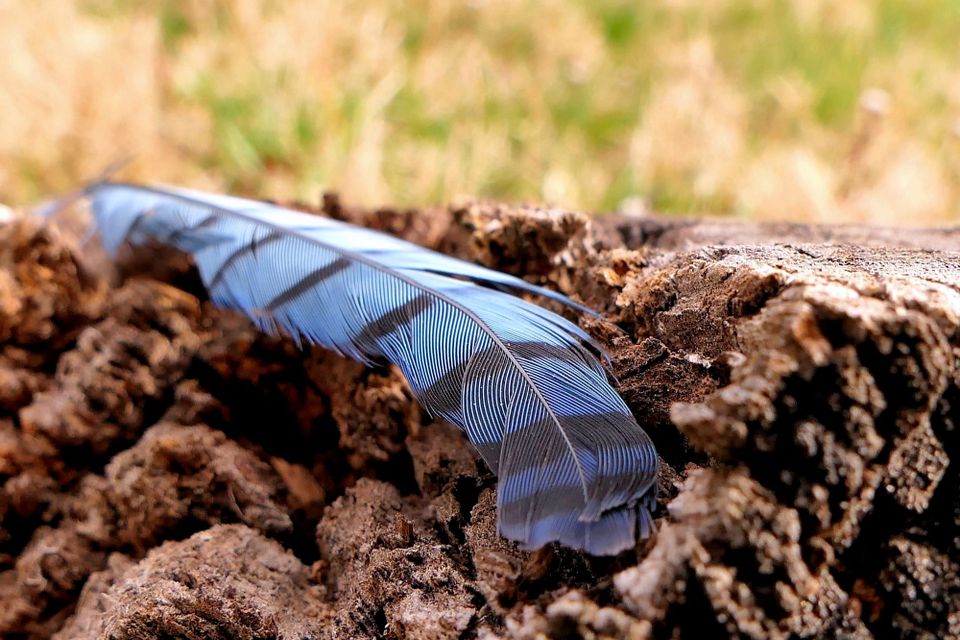
photo of Steller's jay feather on wood stump

There is a place in the woods below so holy you mistake it for ordinary.

Within a universe of redwoods, spruce, firs, tan oaks, cascara, sword ferns and deer ferns, a leafy lace of sorrel, among trunks felled and mossy, there an enormous burnt-out redwood stump is an old room, containing paw prints and feathers. The blood of the hunted and the blood of the hunter nowhere to be seen.

Each day presents its evidence. The story of what was always in the story of what is.

My husband who was so sure he’d take a death potion when he could no longer dance and cut a trail into the wildness he loves, admits, his voice soft as if speaking a secret, “I don’t want to die.”

If you disturb the earth, you’ll find broken snail shells and the empty skins of spiders among the succulent, white hair of roots and tubers.

On a chair, hanging limp, the clothes my husband wore yesterday still hold him.

What is holy?

I don’t think it’s purity or consecration, only that you feel it with your animal body, a kind of wholeness, welcomed, hushing the mind that thinks too much and often in opposites.

It’s like this. Once I watched a raven pluck a feather from beside a downed, splayed-open Stellar’s jay, taking the feather into the sky, dropping it, letting it drift and spiral, before swooping in to catch it, carry it higher, and doing it all again. Sad and exquisite, fleeting and enduring.

International Haiku Day

In starlight, such peace.
Bears, foxes, all come to you.
By day, your heart, wild.

Baring

Standing under a string of satellites, the night, a black kite, I lean out of my body. No wind, no fog. Remembering this place is part of the sky, too.

Some animal voice in the distance sounds lonely. Mice in the woodpile are moving.

Most of my life, a vigilance. The rest, a weariness. But for moments like this, where I feel wilder and more expansive than the wrappings of this skin.

Even dressed in layers, a hand-knit scarf around my neck, there is this nakedness. Call it little soul or shock of light.

I used to believe that mercy came from beyond, from other, from neccesity. No. Whatever that nakedness is, it doesn’t need another layer.

Notice how the cold feels good, so good to feel the cold.

In between

How do you measure pain?

The hospice nurse offers a range, one to ten. A place on her form wants to know how much my husband hurts.

He thinks, looks at me to answer, his mind muzzy. One of the gifts of his disease is the ability to forget pain, his body a dark well of lost sensations and bird names, river rapids he rafted, the difference between dream and daylight.

I want him to voice whatever is true for him in this moment, so I only smile.

“One is low,” she explains, “ten is high.”

He thinks again, a long pause.

“Most days it’s feather, sometimes teeth. Right now, just waiting, so in between.”

Let's say

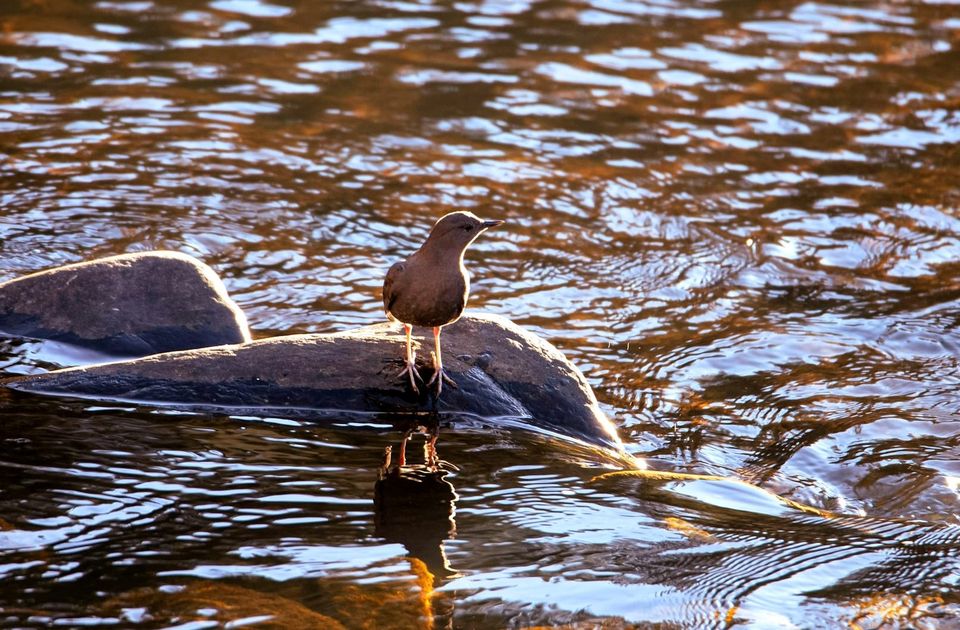
Photo of Water ouzel aka American Dipper on rock in stream

Let’s say there is a mountain and many ridges crowned with trees, some naked maples and alders, others spicy-green pines scenting air, then, here and there, a hemlock, stoic, its branches weeping at the tips,

Let’s say there is a stony stream with a water ouzel, that slatey, solitary bird, bobbing up and down on her twig legs.

Let’s say the sky is milky blue and it’s almost morning, and the leaves of wild violets, alien grasses, a seam of deer ferns are silvery with dew, and below the burbling water, a breakfast of stonefly nymphs for our birdy friend.

Let’s say you and I are not there, and this is not a thread of story I’ve woven into our heads.

Where is this place?

What goes on without us?

Stray whiskers

A bowl of stray whiskers, feline. I can’t decide if they are a collection or an offering.

Some are grey, a few silky black. Stiff and supple, they are little more than a short strand of hair. What sound did they make, piercing through air, touching down on the wooden floorboards?

I’ve heard a pin drop. I know how to keep quiet enough to listen for the myriad ways the world is falling all around us, always.

But a whisker dropping?

Is it strange to think that leaving this life may be no more than this, one more whisker going down? A music so brief and low, not even the mites, walking the unseen roads of the human face, hear it?

And God—who is it that holder of the bowl?

Light-eater

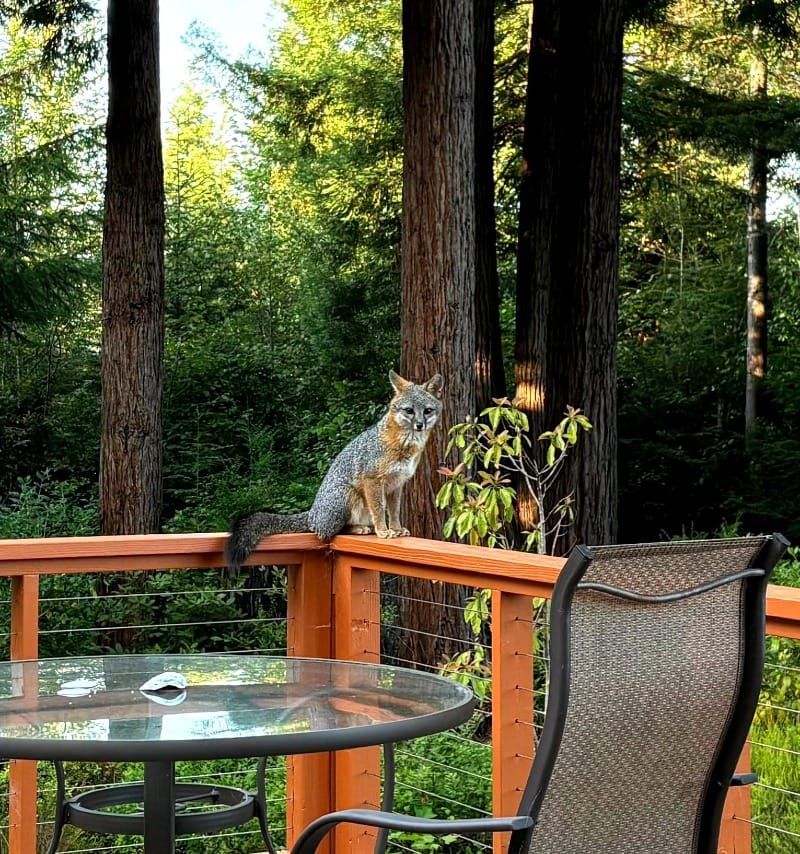
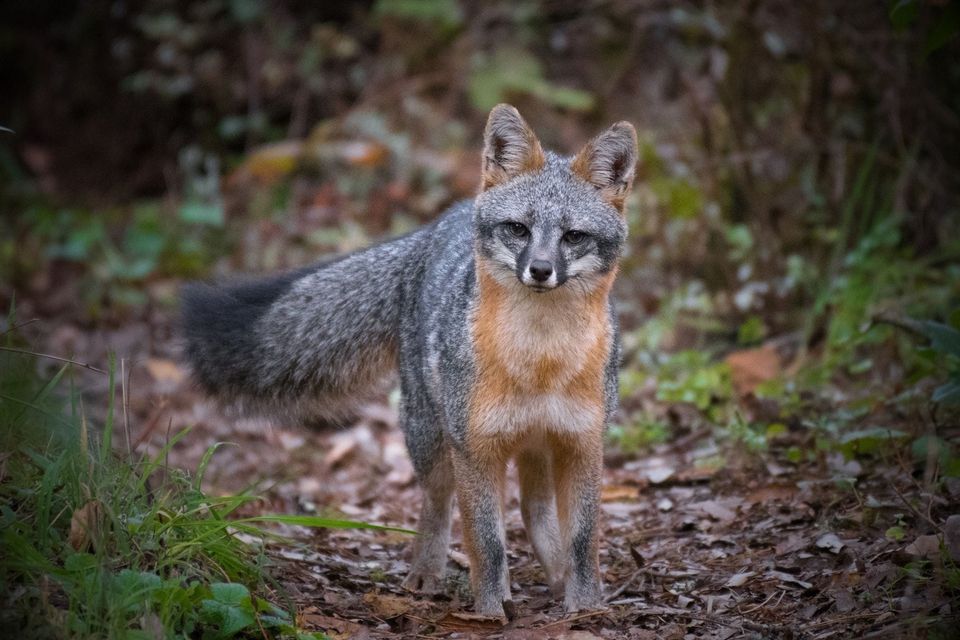
photo of grey fox on a wooded trail at dawn

"We eat light, drink it in through our skins." — James Turrell, artist & MacArthur Fellow, known for his use of light & space

If on phone, turning it sideways (landscape) best displays poetic line breaks.


Even now, when my ankles wear
a map of red roads, the bones shine
under skin. Before dawn,
the day still comes for me. Standing
in the last bit of night, see how the stars
break open like eggs, their yolky light
oozing into me, as if I were
a hungry fox, mouth wide open,
about to starve. In this story,
I am a light-eater, no hero for the plot,
only how time leaves its tattoos,
only how a woman turns feral
before she disappears completely.

Starfish

Starfish

All night my mind full of starfish, their bodies a shock of salmon-y red, their bodies succulent hands and splayed fingers, holding on to the craggy rocks amid the ebb and swirl of seawater, their bodies still as compasses pointing to the five directions, there, there, there, there, there, each direction an option, each direction a million options, each body a centering, a breathing knot, a silent mouth saying, here.

Theses days are so damn hard, and sometimes lonely. The person you love is not the person you once loved. I see now how a slow dying is a leaden migration, as if into the coiled chambers of a conch or an ordinary whelk, inward, inward. You call into the hollowness of the shell, but no voice responds anymore. You lift the shell to your ear, and it offers only, hushshshshshshsh.

I want to step into that green water, let the ribbons of golden kelp wash my back, be that brave brilliance, perhaps someone from the pier, pointing, “Isn’t she beautiful?”

Would I hear that?
Would I believe that?
Would I answer?

Banana slug

Sometimes, kneeling before the yellow writhing of a banana slug sliming a window pane, I pray, hands pressing glass, watching him, jelly body with tentacles, those knobby antennae probing air, sensing and making sense of his world.

Doesn’t God, some god, listen through all of us?

Then I recall how these wet-lemony little cigars live in a silent world.

Ah, true gods indeed—all the asks and the gratitudes, unheard. But the heavy sigh, the spice of an excited breath, and we are felt, tasted, fear and joy, yours and mine, each with their own scent.

Combs

Why give the comb teeth, that label, as if it’s a small fearful animal flashing it’s snarl and grit?

On the table next to my husband’s chair, two black combs. Calm and peaceful. I lift each one with reverence. Artifact of the ordinary. Relic of the numinous, the small rituals that move a life forward, day by day.

The first combs were likely made of bones and antlers, then wood, sometimes stone. Entombed with Viking warriors and Egyptian dignitaries, some sit on silk in glass cases under special museum lights. Rock stars now, they were meant to be used by the deceased in their after life.

These two black ones are plastic. As a child, it seemed every man had one in a pocket—my father, my step-grandfather, the men sitting in the tavern, their backs to the open door on warm summer days.

Ubiquitous. Remember vocabulary lessons? The weekly list of new words we were fed as schoolkids? Images helped me hold on to meaning, so when I learnt ubiquitous, a black comb popped to mind.

This one has bits of grey whiskers, and what looks like lint. This other one, a slight sheen where the teeth connect to the comb’s spine.

His body oils.

I take the combs to the kitchen sink. I shake fragments of whisker into my palm, closing it, holding the bits before opening my hand again, and with a puff, blowing them into the air.

I’m breathing you in now.

I wash that comb, until it’s clean and shiny. As I start to pass the other comb under the running faucet, I stop.

This comb, with it’s subtle iridescence, is too heavy to wash. Not it’s half-ounce. It’s hallowedness.

Instead I draw the comb through my hair, pulling it down through brown and grey stands, catching little knots, gently teasing them loose. Combing and combing. Collecting long spirals of hair that I pull free, letting layers of my body’s oils linger.

Now this comb and I share a secret. The residue of two lives entwined for decades, held as shimmer in black teeth.

Heron

Take your glassy eyes away from whatever screen pierces them. Lift your weathered face out of whatever curiosity or burden holds it. Let your quiet mouth that has so much to say, but no one to hear, be another way you listen.

A Great blue heron is landing at pond’s edge, hungry yet patient.

Chickadees, juncos, mourning doves—all the little birds whose songs you didn’t realize were filling your ears have gone quiet.

The water lilies accept the heron’s slow, calculating, clawed feet, the left, and after a time, the right. The misty morning air parts to let his raised, black-and-white crest and spearish bill come closer to wait, a motionless mix of sticks and feathers, his long gaze into the water, pure energy.

The orange and slatey fish who bolt beneath the surface, now nestle deep into pond roots.

What hunger is hardest? Wanting to eat or to live? Risking being seen or unseen?

Behind glass, still as this bird that always makes you think, pterodactyl, your heart feels wild and loud.

Without thinking, your hand gently glides up, as if another bird, from lap to chest. Suddenly the heron pulls himself up on his wide, awkward, blue-grey wings, legs dangling and dripping. Gone.

Do you feel sad or glad that he saw you?

Old conversation

So many years ago, a man we didn’t know well asked my husband, “Do you believe in God?”

The question seemed as bizarre and out of place, as if frogs had suddenly rained down on our plates.

We’d barely sat down in a frumpy, family-owned Italian restaurant in a small Pennsylvania town, glasses of bitter chianti between us, the old-rounded humps of the appalachian range outside the window, waiting, listening for the answer.

I felt my husband, a wildlife biologist, his taxonomic mind sorting out the moment, his body tense as a buck with a heavy rack of antlers, exposed and wanting to bold.

In the awkward silence that I made no attempt to fill, knowing yet not knowing how he might answer, I stared through the lovely, plumy color of the chanti at my husband’s hands, warped and purple, twisting and twisting the stem of his glass.

He didn’t say, no.

“The forests and the rivers,” he offered calmly, “the birds, the mammals, the fish, the mountains and the oceans, those are my god.”

Another awkward pause, waiting for further probing, a possible debate, some persuasive effort. Conversion, a communion of chianti and ciabatta.

“Oh,” the man said.

And that was it.

The waiter came with menus. The conversation turned to golf scores and travel. The sounds of forks tapping plates filled in any other quiet gaps, as we made our way through bland pasta to the sweet tiramisu, and out to the parking lot where we said good-bye.

Why this memory emerges now, who knows?

After more than 25 years, curious, I ask Google to search the man’s name, as he’d been something of a community leader and likely still in local news stories. Up pops his obituary from nearly 4 years ago.

Apparently he loved flying small planes and once invested in lobsters. Like all in death, he was loved by everyone. Among the mentions of career and family, a reference to mental health and that he was an Episcopalian.

“I guess you believed in God,” I whisper, looking at his smiling face above a crooked bow-tie on the screen.

“Where are you now? Any clues you can share with the rest of us?”

Outside this windowed room, wind walks through the tips of redwoods, saying, Hush, hush, hush.

Little salamander

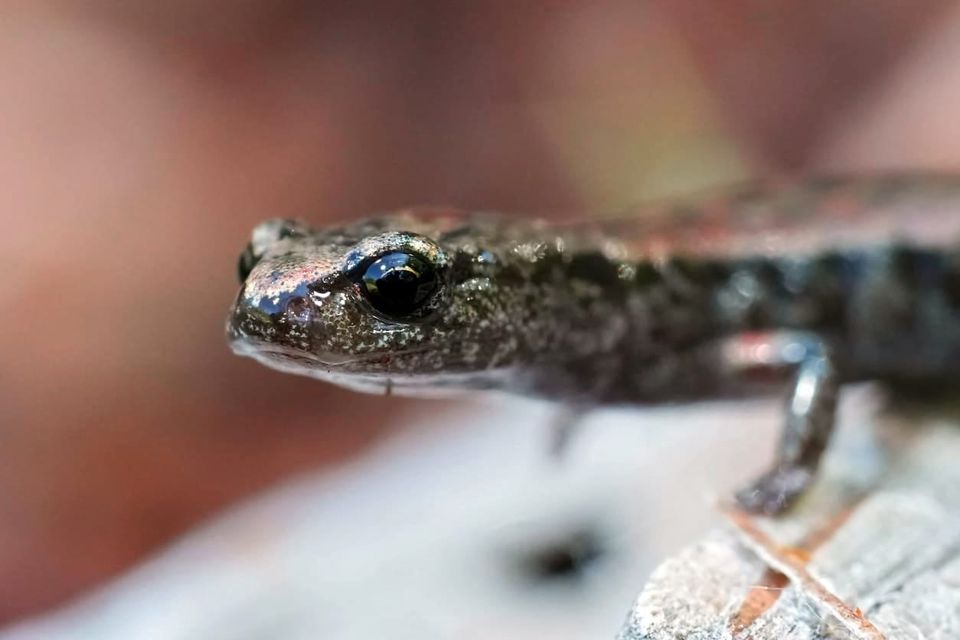
Photo of California slender salamander—close up of his/her face.

"Hello, Little Salamander.”

Heading out the garden room door, surprise, a dark-coppery sliver of movement, as my foot swings over the threshold onto the deck.

“It’s not safe for you there, Little One.”

I’ve seen this California slender salamander before. Not quite the length of my pinky, she (or he) finds her way through the tiniest gap at the corner of the door sill, curling in a space between the door’s edge and the doorjam.

Afraid I might crush her closing the door, I crouch to coax her out of her previously safe harbor, into the pre-dawn drizzle, while I also keep an eye out for my indoor tabby who might think a bolt into the wet darkness a great adventure.

Little Salamander uncoils, places her two front feet on the decking, hesitant to step back out into the larger world.

“Me, too,” I tell her.

Feeling out of the stream of life beyond this house, this deck, this patch of land with it’s second- and third-growth redwoods lush with sword ferns and purple-backed sorrel, I've been sidelined the last several years by the necessary and sacred, yes, it feels sacred, tending to a person who is dying slowly. I don’t even try to imagine what it will be like to slip freely into some new life where you have the privilege of going whenever and wherever you please.

I rip a flap from a small, cardboard box nearby that holds sand dollars, which I keep meaning to rinse and re-home on a table.

Damp and porous, the flap is an off-ramp I offer to Little Salamander. She scuttles over it onto the deck, pauses, then scuttles back into the threshold.

I so want to hold her.

If you’ve never met a salamander like her, a bronze and earthy-speckled wonder, know that she’s shimmery and snakey, her stubby legs and feet, an after-thought. She sports just four toes, fist-like, that grip leaf litter the way the tread of a hiking boot grips a trail, a bit of tacky mucous for added traction.

Would she hold my finger and spiral into my palm? Would she feel wet or warm, slick or sticky? Would I sense her tiny, three-chambered heart beating? Would that heart beat calm or fast with fear?

“Let’s try this again, Little One.”

I place the flap before her. She grabs on and stays put, as if riding a magic carpet, as I move her through air and soft shower to a planter thick with moss and a half-shell for shelter.

Turning back, then closing the door, I lift the tall cup I’d set on the railing, drinking what’s now tepid peach tea mixed with rain.

Wet hair, wet face, wet hands, wet robe. Within the skull is a wet walnut. The mind a kind of energetic ghost, roaming through it all.

Tetrapods.

Where did that word come from? Little Salamander and I are both tetrapods, four-limbed vertebrates with some common ancestor hundreds of millions of years ago.

Stepping back under an eave, the way she slithered under the shell, I think, There is only one life here. There has only ever been one life.

Agreements

What do we agreed to?

Last night a 2-year-old video clip in the news feed: a baby pulled crying from war rubble. For every 5,000 human beings lost to bombs, we’ll give you a baby like this. Twenty pounds of hope for each five or ten thousand tonnes of steel and TNT.

That's one agreement, even if the war-makers and media didn't give us a voice.

With recent rains, the tree frogs have returned to sing in the pond. I certainly agree to that.

Each night, having cracked the bedroom windows, I wake and lie listening to all the little frogs, their happy longing.

When I first moved to this home in a redwood clearing, the frogs arrived earlier and sang all spring. In recent years, they arrive later and fewer, their singing lasting barely a month at best.

To get more of some things—clever devices and gadgets, boxes at the doorstep, easy beef and avocados flying the globe, artificial intelligence we think can answer all our questions—we agree to less of other things.

Tree frogs in your pond, for instance, and families for those babies.

Ah, too somber, think as I write. What else do we agree to?

  • Pay taxes for decent roads and teaching our kids to read.
  • Say “I’m sorry,” so we don’t lose each other.
  • Stop at red lights to let all get home safely.
  • Bring bags to the grocer’s, not only to haul home heads of lettuce, but starve fewer sea turtles of plastics in their bellies.
  • Listen, so we each have our stories heard and know we matter.
  • Show up to vote to ensure power circulates instead of calcifies.
  • Keep on loving the people we love not in spite of their flaws and frailties, but because of our own.

We forgive ourselves in great part by forgiving others.

Years ago, travelling in Sierra Leone a decade past that country’s convoluted and brutal civil war—hmmm, how can any war be civil?—I met with a village chief, several really, but one returns to mind in this moment.

I’d been told by my Freetown colleague, Fataba, who was leading me through her country, not to ask about the war unless a local brought it up.

As I sat with that village chief, he told me how so many young people grew up through the war, thinking violence was an ordinary response to life, the cutlass and the Kalashnikov the way you answered anyone or anything you didn’t like, or a fear you felt but didn’t understand.

His words, that conversation, come back to me now, in bits, gauzy yet real.

“After the war,” he explained, “we were afraid of our children.”

“At first, we sent the children, returning to the village, away. The boys turned child soldiers and the girls, stolen and abused as war wives, we sent them away. There was no trust.”

“But how do we go on?” he asked, “This village, our people, without children?”

“One boy came back. I did not recognize him.” This man’s voice became quieter, slower.

“When he said he was my brother’s son, I did not believe him. I knew my brother’s son. I thought both had been killed. Then he said a story of me, and when I looked into his eyes, I finally saw it was him.”

This chief had witnessed his village burn and his people flee over splayed bodies into rainforest, before he, too, abandoned what had been home.

As he talked, he was surrounded by other men who bore thick, ridged scars running cheek to ear, or motioned with missing hands, sometimes entirely absent forearms. A few embodied the kind of deep sadness that makes eye contact hard, leaving them to look at their feet just to stay safe in the midst of memory.

“When I went to embrace the boy,” he continued, “tears behind my eyes, so happy I was to have him back, he pulled away from me, jumping backward, almost falling.”

The chief paused, brushing his sleeve over his glistening forehead—a hot, humid afternoon in the upcountry of Salone.

“This boy. Who knows what terrible things he had seen, he had done? He had no trust for me.”

The chief went on to explain how that meeting was the turning point of accepting the war children back into his village, taming the violent minds and volatile emotions, helping them reinhabit the peaceful hearts children are meant to have.

One thought from that weathered, hopeful leader, from that afternoon together, sharing his story, has stayed with me for more than a dozen years.

“I thought it was only I who needed to trust. No. Trust is an agreement. And you must first agree to respect each other’s fear.”
Secret lily

Beneath the arms of a redwood, within it’s limbs hanging down, it is not the rain that finds me, those pearls stringing down from the grey-clotted sky.

Rather, like the way of oiled water slipping down a loon’s back, the tree takes in the world first then hands it down to me, drop by drop, as I squat looking for what’s left of a tiny wild lily I stole from a friend.

Fetid adder’s tongue. A horrible name for a flower, for the delicate stem and the three burgundy-striped sepals, little fluttering scarfs in suspended animation.

It sprouts a little earlier each year since I planted it beneath this redwood nearly 17 years ago.

Blooming for more than a month now (which is odd but happy), the speckled leaves have grown big as my palm. They eclipse the threadish stems, some still standing, most drooping, all headless, except for a single blossom holding on for one more day. I see you.

A grey puff, a little cloud surging and swaying around its stamens, is in fact a cluster of black specks, murmuration of minute insects, fungus gnats, that you would never notice unless you crouch as a toddler, bending spine and head into curiosity, or balance as a women wanting joy, willing to find it anywhere.

The redwood towering over us, more leaky hut than tree, feels safe. This gnatty cloud hovering, undulating, fluid, is a show, a rain dance. I listen for gnat music, some call and response from the damp flower.

Crackling, tapping, there is only the collision of falling water finding forest and wild floor.

The fetid scent is for them, the gnats. Like an old marriage, the flower and the flier have a relationship, an understanding, part love, part truce. The gnats sip a secret nectar. The flower loads flecks of yellow pollen onto wings.

Seen or not, this is how everything goes on, spinning through season after season. You and me, too.

Every moment an agreement, yes?

Ruth Stone

Ruth Stone

Scanning a list of women poets this morning, I pause at Ruth Stone. I heard her read her work decades ago. In an intimate theater—just a few rows of seats circling a worn, wooden stage—she was the last poet to read. The one we’d all come to hear, though I had no idea who she was.

After the promising new poets and the staid, published professor, there she was, with her long hair pulled up at the sides, in her loose shirt and baggy trousers. A grandmother, speaking of loss and nature.

I shook her small hand afterward, a gentle grip, the bones of her fingers barely beneath her cool skin. I was so young. Her poems introduced a wildness, rooted in the ordinary that I’d never experienced—all mixed with hurt, longing, persistence, and humor.

She was real, down-to-earth, quirky, more likely to sit on a mossy stump than on some literary pedestal.

She did things with language, strange and beautiful. She made you feel you could do that, too.

Her poems were at once simple and sublime, like her name. Her whole name just two syllables, but full of meaning. Ruth, yes, I knew that old story. Stone, how much metaphor that word has borne.

As I remember that evening, I realize how long it’s been since I read Ruth’s poems. “Ruth?” you ask, as If I knew her. You don’t have to know a writer to know a writer.

Hmmmm, what poems did she read that night? Too long ago. All that comes is, Something about apples?

I pull all my Ruth Stone books from a shelf, looking for whatever work would have existed when I was in my 20s. I land on:

Green Apples In August we carried the old horsehair mattress To the back porch And slept with our children in a row. The wind came up the mountain into the orchard Telling me something: Saying something urgent. I was happy. The green apples fell on the sloping roof And rattled down. The wind was shaking me all night long; Shaking me in my sleep Like a definition of love, Saying, this is the moment, Here, now.

I’m stunned, moved, grateful. Only now do I realize how much my reading of Ruth’s work earlier in my life has shaped how my poet’s eyes look into the world and how I come to the blank page to lay down my own pathway of words.

I read some online bios. How her second husband, Walter Stone, hung himself on the back of a door in the room they’d rented while the family was on sabbatical in London.

How did I not know this? I feel even closer to her.

Suddenly a single mother, lost in grief, she found herself saying to herself, “The bird has died,” which she later explained to others as, “The bird in me has died.” That realization marked the start of a painful journey to build a new world without Walter, and ultimately breathe new life into that bird.

One bio mentions how she died at 96 and was buried near the raspberry bushes behind her modest farmhouse in Vermont.

All day I think of those raspberry bushes where she’s buried, going through the seasons. The naked snowy cold, the lush seedy heat. I want to eat those berries, let Ruth feed my body the way she’s fed my mind and spirit.

Making a salad for supper, I see a pint of raspberries in the ‘fridge. I rinse a handful, one-by-one. Scatter them over the bowls of lettuce, peppers, cukes, and slivers of radish, nestling each delicate, bumpy, red body among pumpkin seeds.

Colorful, simple. I am happy.

Popping one sweet-tart raspberry in my mouth, I say, as Ruth did all those years ago:
“…this is the moment,
Here, now.”

Birdy moment

In this house of wonderful tall windows, it can feel like living inside a snowglobe, only with cats and dust in place of the white flecks, and instead of strange eyes looking in, we householders do the looking, my eyes, the cats eyes, spying outward.

Folding laundry, I notice the cats at the window, two furry statues, tails flicking, intense and excited. When I pause with a ball of socks in my hand to see what they see, ah, yes, fluttering wings and flung water.

At the edges of the pond, all along our shallow recirculating stream, and beneath the two-foot high waterfall, a mixed flock of Dark-eyed juncos and Chestnut-backed chickadees are bathing, drinking, landing and taking off, the surrounding redwood limbs and huckleberry bushes, dancing, as the little flyers perch, shaking themselves dry.

Crouching down beside the cats, we watch the show—downy heads dipping into shallow pools, feathers flicking pearls of water, new arrivals touching beaks to greet each other or lining up on mossy rocks before diving in.

We’ve been invited to a bird party!

Suddenly one much smaller bird—coppery with a patch of crimson—arcs up into the bare, weeping cherry tree.

Who are you?

As that question passes through my mind, I already know. Rufous hummingbird. The earliest I think I’ve ever seen one come through. A gorgeous male, his head scanning side to side, flashing his irridescent gorget.

Suddenly he flies to the window, hovering inches from the cats’ faces, only a bit of glass between us, watching us, as if we could be dazzling, too.

Invisible

Sometimes it seems I could be the only person on the planet. Stepping out on the deck past dusk, in that threshhold between daylight and deep darkness, there’s no other human face.

I can imagine all the houses filled with their people, but only imagine.

Far away from this ridgetop, in the low places, hidden and damp, hundreds of tree frogs sing about love, and longing for the next rain.

The goat star, Capella, flickers red, green, blue—these days often mistaken for a drone. I know better.

I see you, luminous star-bird, hovering curious as a hummingbird above the tip of a redwood.

So still, yet chimes tinkle and clatter from another part of the yard. One brown leaf, caught on a dead spruce limb, swings back and forth, a little pendulum out of time.

Who sees me? Who knows I am still here?

If I walk into the woods right now, and fall into the duff, would I make a sound?

Orb weavers

Orb weavers

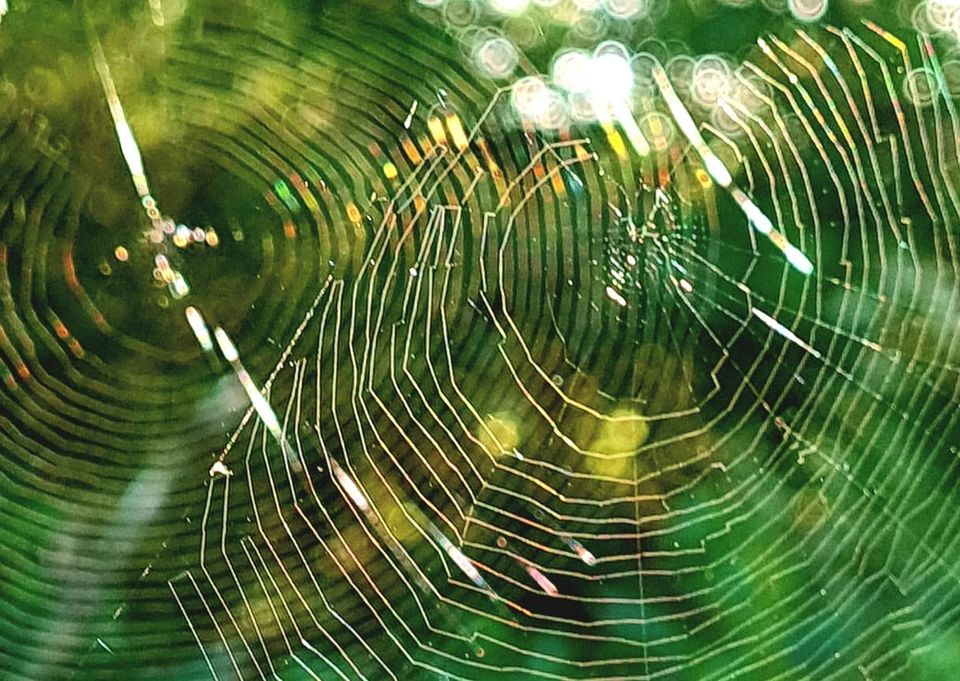
A week ago, a young man speaking of orb weavers in a deep ditch, hundreds of them, golden-yellow, their webs in clusters, a massive aggregation. He’d travelled a long way in that ditch, walls rising twice his height, before stopping, the spectacle of spiders and strung silk, part awe, part revulsion.

It was years earlier, just a teenager in that ditch, though he could have been a gazelle, vulnerable and fierce. I felt his longing to get away, the risk, the unnamed danger, his curiosity taking him far beyond his fear.

I know orb weavers, I thought as he spoke, my mind lighting up with iridescent threads strung everywhere, big bulbous spiders with long spindly legs suspended in air, webs reaching from handrail high into the tops of rainforest trees. In darkness, I’m walking to an elevated, thatched cabin above a flooding Zambezi River in Zambia. I’m careful where I place my hands, shimmers from the rushing water illuminating the filaments, a gossamer map, breathing and pulsing all around me.

His story and my story are speaking to each other.

This is how a moment opens. And now you, reading these words are in it, too. You, and all your stories.

We’re part of a virtual gathering, and he’s off screen, pure voice, so it’s easier to imagine the 15-year-kid amazed and aghast before the wall of webs and spider bodies big as silver dollars, the blur of legs working fast.

He didn’t need to go any farther. By then, he’d already passed through so much.

A line from poet Muriel Ruykeyser enters the mental conversation, “The universe is made of stories, not atoms.”

I’ve always loved that simple line, and it’s truer than a poetic idea. We are all bits of humming energy, this storyteller, the spiders, the screen, the river still streaming through me. Everything is story.

Who hasn’t looked at the smeared light of a galaxy caught in a photo, a spiral web of stars simultaneously small and vast, wondering what it’s seen after so long surging away into space? What stories could those old stars tell, indeed are telling in the absence of words?

The story keeps coming back to curiosity and danger, the inner drive to explore “the culverts of life,” his words, which I understand literally and metaphorically. The storyteller speaks his truth and, Surprise, mine, too.

This moment is a tiny architecture, little galaxy, necessary web, I think, in that silent space after his voice stops.

Looking out the window, light and shadows are moving in half-green ferns. A hummingbird flutters at the still-blooming fuschia. A low thermal rustles the dried-brown grasses—or maybe just a hidden wave of hungry Juncos?

In my notebook I write, “What spins, keeps on spinning.”

All the bears

All the bears

Early morning, my husband half-waking out of sleep to tell me, “All the bears are dead.”

I’m a bear-lover, so this stops me as I’m about to rise. His eyes are closed. I’m sitting up, one cat still sleeping at my hip. Wondering if I mis-heard, I ask, “What did you say about bears?”

“They’re all dead,” he confirms, “the bears.”

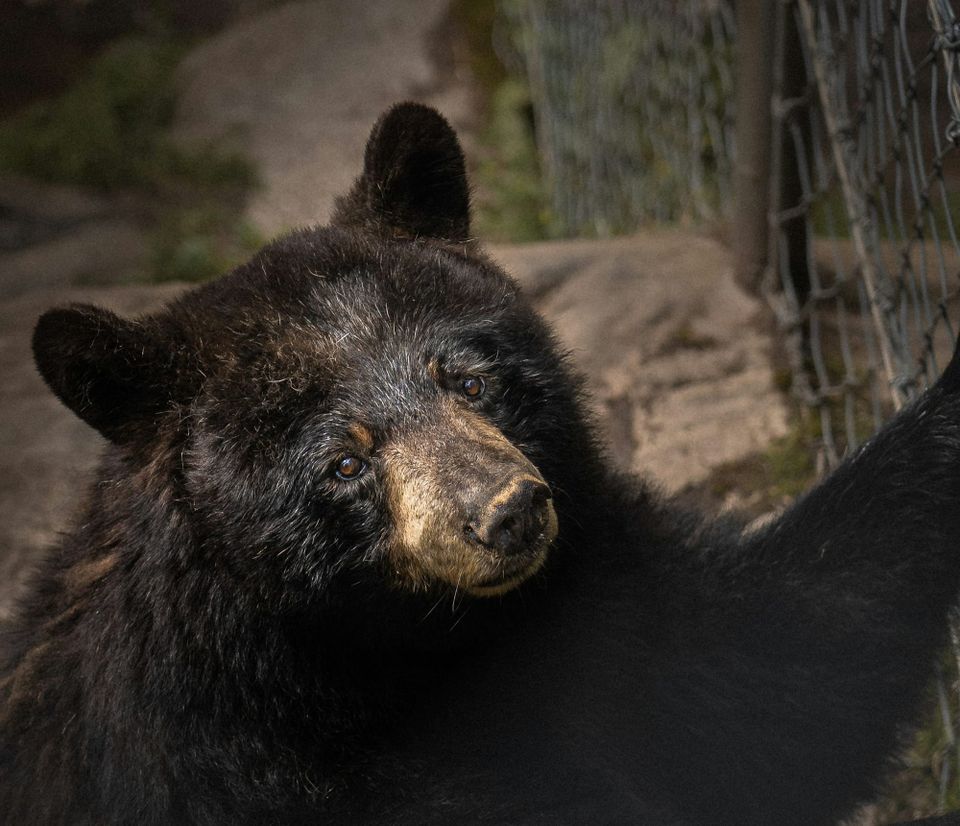
I close my eyes and remember bears. Mostly black bears, but also a Cinnamon bear in the Canadian Rockies outside of Jasper, grizzlies hunting ground squirrels quite successfully near Denali, the two massive brown bears fishing upstream from us in the Sitka rain.

There was also the baby bear, decades ago, who ran across a road one Pennsylvania night, disappearing into a culvert. When we stopped to get a glimpse of the little guy, he scuttled under our SUV and climbed into the wheel well. On our way home from a community fund-raising event—my husband in a tuxedo and I in the ubiquitous little, black dress—we were, nevertheless, bear-lovers to the bone.

I immediately jumped out, kneeling by the wheel, cooing and reaching for the baby, who was bleating, loudly. His fur was thick and coarse, though as my fingers touched deeper, ah, such downy-soft underfur. My wildlife-biologist husband scanned the road’s wooded edge for the mother, before dropping down with me, sliding his arm up higher in the truck, and grabbing bear baby by the scruff.

He walked the baby back across the road and into the woods so his mother could safely find him. The baby popped back up, still bleating, and ran to my husband twice, before giving us one last look, his eyes shiny as flecks of foil, then wandering deeper into the forest.

I barely slept that night, wondering if mother bear had found her renegade cub. The next morning I walked to the spot where we’d left him, and followed the pushed-down grasses and weeds, ducking under fallen maples, squeezing between hemlocks, until I lost his path. I sat on a damp log for a long time, listening for that bleating. Only birdsong and a distant, beeping garbage truck.

Bears often amble through the redwoods below our home, sometimes climbing up onto our deck to lick seeds from the birdfeeders. Such surprisingly long and tactile tongues. Funny to look out your livingroom window and see a bear calmly looking back, chewing.

A year and a half ago, I witnessed a wounded mama bear splayed on the ground near our home with her yearling, sounds I’ve never heard shared between bears, low grunty-mews. I don’t speak bear, but I felt the good-bys and the grief. Mama later limped slowly into the redwoods with her young one, but only the yearling ever returned.

I bear so many memories of bears, hurdling through my mind. Even the sign my husband nailed near a side door flashes by, “An old bear lives here.” Indeed, he still does.

“Who killed all the bears?” I ask, opening my eyes, checking to see if bear-guy is asleep, awake, or lost in that liminal space between.

“You killed the bears,” he answers, motionless. “You killed all four of them, with that big black rifle.”

“Why would I ever kill bears?”

“They were attacking me, and you were protecting me.”

I’m dumbfounded, taking in what was clearly a dream, but also, part of our life in this final hospice time.

Four falls in the last week—one bad enough to bloody his forehead, his legs giving out suddenly, his body like a matchstick doll collapsing under his own weight.

He wants to walk on his legs, feel that sense of agency and independence, perhaps a vestige of strength. But. Even aided by the dreaded walker, his legs can’t be trusted. All week I’ve pleaded to let me roll him in the wheelchair. Told him I’m his private Uber. He smiles every time, though I know he feels defeated.

Death may come as one final, irretrievable loss. Dying happens in loss after loss, as if the body doesn’t give up all at once, but part by part.

“I only want to protect you.”

How many times have I said that now? “I only want to protect you from more hurt and pain.”

Adjusting the covers up to his shoulders, kissing him on that battered forehead, I slip out of bed. Just as the cat and I head to the kitchen, my husband’s soft, sleepy voice offers, “You got them all.”

Birthday

Today I become the age that my mother was when she died.

Logically, I know it means nothing. We two, such different people with wildly dissimilar life trajectories, emotional landscapes, traumas, joys, animal bodies.

She lived 42 1/2 days after her birthday before her lungs gave out.

First, the lung without the massive tumor collapsed, which I imagined being like a circus tent folding down on itself. Pigeons perched along the roof line tossed fluttering into the air, elephants waiting outside to enter shifting back and forth on their leathery-pillar legs, a clown car spining round and round out of control (I’ve always found clowns scary)—all in the confusion of limp fabric and ruined architecture lifeless on the ground.

How will I step through my next 42 1/2 days?

It is okay to have small goals, which may be way bigger than you think. Okay to say, “Today, I will focus simply on being.”

Despair

Despair is a kind of fire in the skin, that pink sheath stretched over the cheekbones, the red-rim at eye’s edge.

Last night my husband, refusing my help, the wheelchair, my protective pleas. I could see him wobbly and working too hard to get out of his recliner. His voice angry as a fox, cornered, that yapping, raspy bark.

Do you know what it’s like to know what is going to happen?

You don’t need to be psychic. Some knowing is pure bone, the marrow part fat, part wisdom.

Going down, his head battered glass that held (thank you, universe) before hitting the wooden frame, the metal track of the sliding door.

The fall was fast, and yet, to witness it, a slow-motion rupture in time and sanity. Helpless is an insufficient word.

Who is more foolish? He who chooses ego over care, or she who thinks she can save anyone?

I won’t tell you now crazy-hard it was to get him up and into bed, only that you keep finding a way, and giving up is not an option, literally.

After tending to the bloody patch opened on his forehead, leaving him to sleep, I went out into the garden room, the cats following, before I closed the door. They watched me sobbing, deep and huffing. Oddly, they were purring. Thank you, thank you, my mind whispered.

When I saw bits of blood on my fingertips, I honesty didn’t know if it was his or mine, or who’s pain I was grieving.

Invisible trail

Invisible trail

Who are we when we write?

I’m in the last session of a brief writer’s workshop, a handful of now-familiar faces before me on a screen. They can’t see my fluffy slippers or the precarious towers of books I moved from desk to floor or the haggard impact of caregiver sleep deprivation (the right Zoom settings, overgrown bangs shading my eyeglasses, not too much light, and, voilà, presentable!).

Who are we when we write? We flip off our cameras to scribble or type out a response.

Eyes. The first word that comes to me is eyes. Then, paying attention.

Living in a mystery. Curiosity. Alone. Vulnerable. Green. Wings and tails. Moments, simultaneously ordinary and magical.

Where is the earliest story to answer this question? I wonder.

I’m 5-ish, more than a year past the fire that took my two sisters, leaving me with a mother so broken she tried, though failed, to kill herself with sleeping pills while I was napping. My father grieved by working hard, stoic and bewildered. I didn’t have those fancy words then, but I felt his world and hers. Visceral and confusing.

Not the middle girl any more. The only child now. No one to talk to, about what happened, what is still happening.

I’m in the backyard, squatting on a sidewalk. Feet bare, I feel the roughness, also the warmth. I’m looking at ants, no, watching them, like a show.

They move fast, fast, fast on their hair-like legs. Mostly they follow each other in a crooked path. If one falls out of line, or wanders off, she comes back to the ants, trotting along their trail.

There’s a ragged crack in the pavement, green growing out of it, and the ants climb through it slow and clumsy. I can see it’s hard for them getting through it, as if lost in a jungle, a tiny-to-me, but huge-to-them jungle. One by one, they make it through, all in a curving line on the other side.

A group of ants pulls apart a big, dead dragonfly. They’re strong. Like Mighty Mouse, I think.

I follow one ant carrying a long, see-through wing all by herself. Girl? Boy? I decide she’s a she. Another hauls a leaf, many times her size, the leaf toppling sideways several times, making her stop, circle it, then get it back up on her ant-shoulders, running and running.

I’m not thinking about time, about how long I’ve been looking. I’m wondering about ants. Watching as hundreds of black bodies not much bigger than grains of rice travel that path, until there are just a few.

In the garden, there’s a little hole next to a wilting flower, among orange petals in the dirt, and the ants go in. They disappear.

Where are they when I can’t see them? What are they doing in that hidden place?

When I think all the ants are gone, one ant pops up on the sidewalk. No other ants to follow, but she finds the invisible path and scuttles along, tracing it perfectly over pavement, through the jungle, heading toward the orange petals.

I sense that even though she seems lost and alone, she really isn’t. She’s following the invisible trail to her others. I don’t know why, but I feel happy and safe.

After writing this memory, I’m surprised at how it came to me into this moment, into this writing-reflection exercise, without effort or invitation. I experienced it, lush with detail, felt in body as much as in the mind. Yes, that was the conversation I needed then, spoken through the natural world, wild and sensory. Still that way now.

Who am I when I write?

I am that last ant who senses the invisible trail that’s always leading to the hidden place, ordinary and magical, always keeping us connected to our others, whether we see them or not. Writing is how I make the trail visible to myself and to anyone who wants to come along with me.

Pillow

My OwlMan, so depressed all day and almost no appetite at dinner.

Preparing the bed for him, I see the outline of his head in his pillow, and realize, Someday that is all that will remain—the space where he used to be.

Endings

There is such weight in endings.

One year dissolves into another. Did I do enough in the year now gone? What will I expect of myself in the year ahead?

Mostly, though, you never know a thing is the last thing in real time, only later.

What if this is his last supper? What if this is his last pair of slippers, the last stroke along the soft back of his beloved tabby, the last reach of his hand for mine, palms together, warm, that little squeeze confirming we’re still here together?

What is the last thing he will see at the window? And can I make it be birds, wings in a blue sky, lifting up?

Wanting

Wanting. Is how we stay in this life. Wanting. Is the life force. Wanting, not out of lack, but fed by desire, intention, possibility, hope, connection, love.

Sitting at our friends’s long wooden table scented with steaming stew, facing out to the dark Pacific beyond this room where seawater can have wild, white hair and curl in on itself, there is pure peace.

Two young raccoons are looking in at the bottom of the French doors. A fire in the wood stove warms my back. A shard of lettuce on my fork looks all the world like a smiling bear, though I say nothing, because J is telling a story, and we’re all laughing.

It is miraculous to be here. How many times has my husband ('T') almost died?

So rare for either of us to feel truly relaxed these days. You can’t wait for ‘things to get better,’ but allow the ease, the peace, the tiny joys to take hold of you anyway.

Our two, dear friends likely don’t see that T is gripped by a near-constant malaise, his body hurting just sitting in a chair, that he’s having a hard time following the conversation, or how the brief shower and getting dressed wore him down so thoroughly that he almost gave up on coming here tonight.

I watch my husband be happy anyway.

Standing beside him earlier in the bathroom, his breathing labored, body weakened, I asked if he still wanted go tonight.

“I want to. Yes, I want to. I want to go be with our friends.”

So, here we are. The sweet-faced raccoons peer up at me through the glass, and I point them out to T.

I watch him smile.

On the elaborate red dinner plate, butter melts and pools in his dollop of mash potatoes, which he loves. There’s music, a playlist of crooniers and jazz, mingling with J’s storytelling. Spices drift from the kitchen. Above us, in a bedroom, a calico dozes. This house is moving through the Milky Way at 140 miles per second, but feels still, rooted, a needed pause.

Relaxed. For a little while, we are all safe, there is nothing we need to tend to, no worries, no news.

Wanting to be in this moment is all that matters, even more than having it or how it unfolds. Wanting allows being. That is my mind speaking to itself.

Hello, raccoons, do you know this, too? It’s a silent question I send to the two black and white faces. What they no doubt want are a spoon of stew and a taste of potatoes. Ah, you’d rather have than want right now, yes?

Still, the wanting keeps them at door, believing in their petite, plum-ish, raccoon hearts that anything is possible.

They see us toasting the winter solstice, and I wonder what they perceive.

Drips of light will start lengthening the feel of each day. Who doesn’t want that?

Groundlings

Adding a piece of madrone to the woodstove, I notice an ad about Alzheimer’s playing during a break in the SF Warriors game that OwlMan is watching.

A guy holds up sweet potatoes and a woman, presumably his aging mother, calls them "groundlings.”

I like that, groundlings. Sounds like a kind of animal, a vole or shrew. She sees them as inhabitants of the earth, beings, not just tuberous roots for the table.

Her son corrects her. I know it’s a commercial. All sales are to solve problems, so her word must be fixed.

But I think, What if she is right?

Back in the kitchen, making mashed potatoes for my husband, who is terminally ill but still knows food names. I hold the potato, feeling it’s skin. We call it skin! Oh, and I rinse away two green eyes. Yes, we call them eyes!

Hello, groundling. I see you. Soon you will inhabit this animated dust of us.

Composting

To be a caregiver, moments into days into weeks into years, changes the scale of life. My world becomes smaller, disconnected from the great out there.

Tiny, invisible, lost. But then you realize, what is small is deep, delicate, dense with meaning.

Last night, slipping strawberry tops and carrot tips with their tiny whiskers into the compost bin, along with scrapings from my husband's plate as his need for food diminishes, I think of the worms.

I just signed up for a service that picks up our food scraps, keeping them out of the landfill. Too much wildlife around us to compost without risking foxes and skunks eating rot. So our scraps will go to a worm farm to convert what we don't consume into compost that will grow new food.

It was sprinkling when the woman from the worm farm delivered my weekly compost bucket. She was kind. Our faces and hair, glistening. On a day that felt hard, such a blessing.

Now I think of the worms eating my offerings. All of us small, unseen, doing our work of turning one thing into another.